Illicit Cold War Espionage and the Dubious Employment of Smuggled Aircraft Specifications in the Creation of Sonic Aircraft
The Tu-144, often mockingly dubbed the "Concordski," is a fascinating chapter in the history of supersonic aviation. This Soviet-built airliner, with its distinctive droop nose, shares a striking resemblance to the iconic Anglo-French Concorde, fueling Western suspicions and the nickname. However, a closer look at the Tu-144's development reveals a more complex narrative.
Despite the similarities, the Tu-144 was not an exact copy of the Concorde. The evidence supporting the Tu-144 as a "clone" includes noticeable external design similarities, allegations of Soviet espionage stealing Concorde blueprints, and parallel timelines and roles for the two supersonic airliners. Yet, the Tu-144 differed significantly in aerodynamic design, engine technology, and operational characteristics, partly due to rushed development and differing Soviet engineering solutions.
The Tu-144's design issues, such as poor low-speed control and the need for braking parachutes, and its shorter range compared to the Concorde, are testament to these differences. The airliner also suffered from safety issues, with two major crashes during its short commercial service life.
Recent discussions on the alleged similarities between the Concorde and the Tu-144 have resurfaced, with a documentary called "Concorde: The Race for Supersonic" airing on Channel 4 in the UK. The documentary delves into the intricate details of the Tu-144's development and its connection to the Concorde.
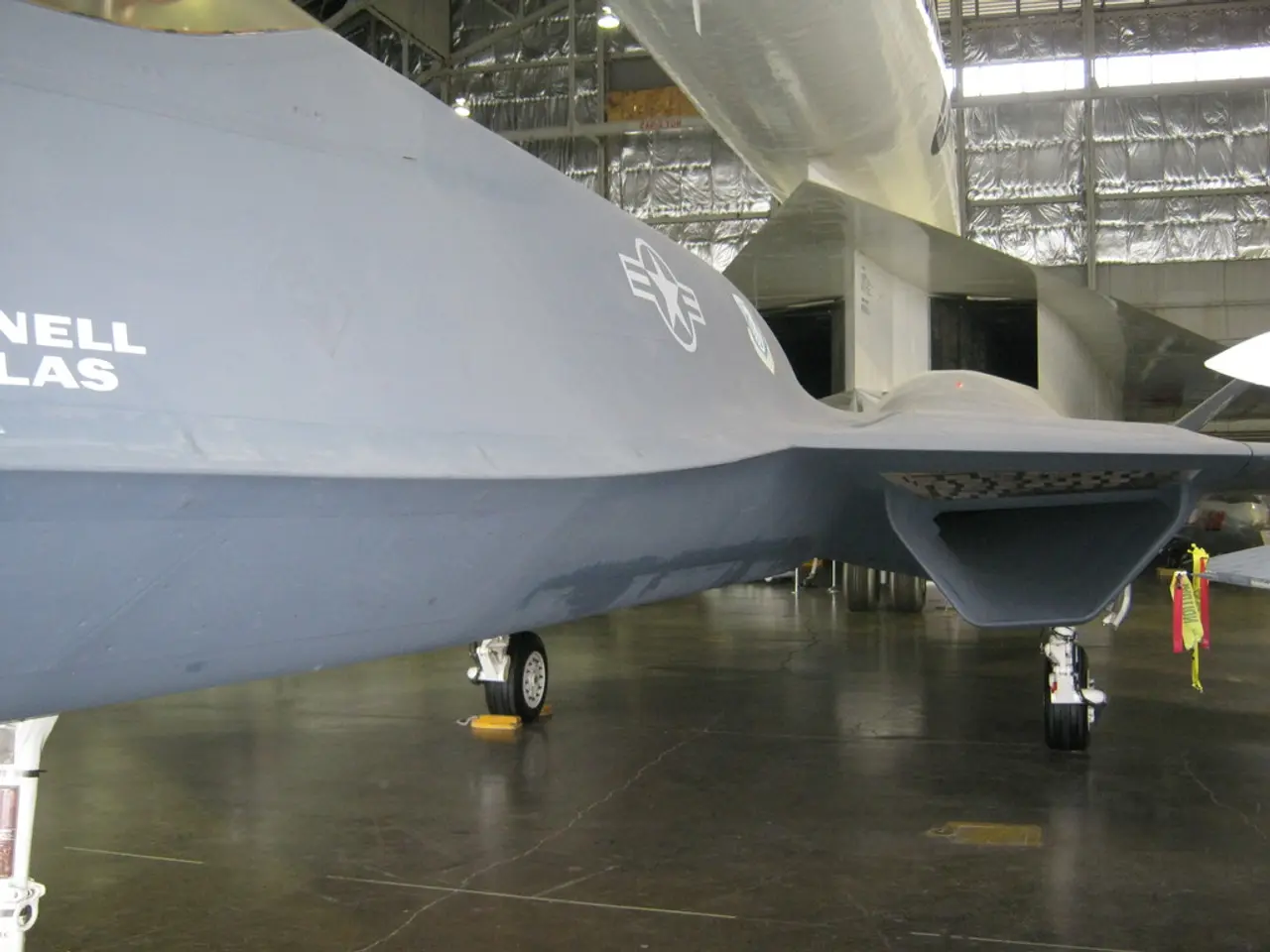
In the realm of supersonic aviation, the Tu-144's legacy is significant. Despite its challenges, the Tu-144 was used by NASA for missions until 1999, in the forms of the Tu-144D and Tu-144LL. Meanwhile, the race towards supersonic flight for airliners is set to potentially resume with the Lockheed Martin X-59 Quesst, a new aircraft being built for NASA to address the challenges of sonic booms and fuel usage in supersonic flight.
The development of the Concorde, too, was a geopolitically important project that attracted espionage and accusations. During the Cold War, espionage was prevalent, and the Concorde's development was not exempt. Soviet spies were caught with Concorde blueprints, but their practical use for the Tu-144 development would have been limited.
Interestingly, the Boeing 2702 and Lockheed L-2000 were also being developed as supersonic airliners during the same period. The Boeing 2702 and the Concorde shared a similar design, while the Tu-144 and 2702 had differences such as the use of canards and a drooping nose. However, both the Boeing 2702 and the Lockheed L-2000 were ultimately cancelled.
The popularity of McCarthyism and the character of James Bond during the Cold War may have contributed to the suspicions surrounding the Concorde's development. Regardless, the Tu-144's final results seem to reflect the limited impact of Concorde blueprints on its design.
In conclusion, the Tu-144, the "Concordski," is a fascinating example of the Cold War's influence on technological development. While it shared design similarities with the Concorde, its unique challenges and differences underscore the complexities of the race for supersonic aviation during this period. As the Lockheed Martin X-59 Quesst promises a potential resurgence in this race, it's worth reflecting on the history of the Tu-144 and the Concorde, two iconic symbols of the supersonic age.
- While the Tu-144 shared some design similarities with the Concorde, its development differed significantly in terms of aerodynamic design, engine technology, and operational characteristics, demonstrating that it was not an exact copy of the Concorde.
- The Tu-144, despite facing challenges such as poor low-speed control and safety issues, was used by NASA until 1999, indicating its significance in the realm of supersonic aviation, despite not being an exact clone of the Concorde.