Gen Z is abandoning smartphones in favor of 'dumbphones' during a resurgence of retro technology
In the rapidly evolving digital landscape, a significant cultural and technological shift is underway, particularly among Generation Z. This demographic is actively seeking to reclaim focus, mental clarity, and privacy from the demands of modern digital life.
The Rise of Dumbphones and Retrotech
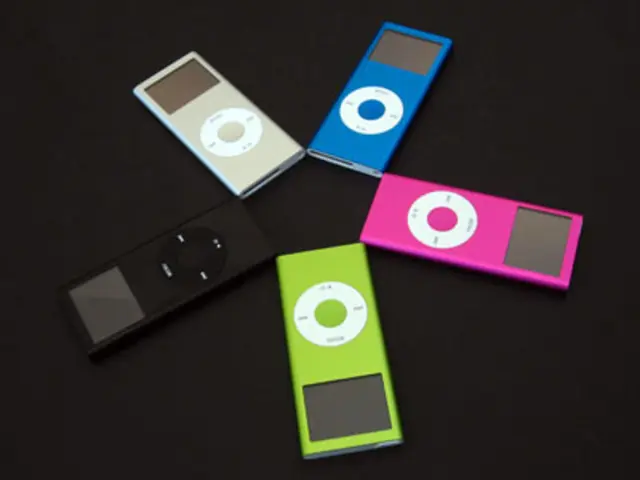
One of the most notable changes is the shift towards less intrusive devices, such as flip phones or "dumbphones." This trend, often referred to as the retrotech rebellion, aims to escape the surveillance capitalism embedded in smart devices and reclaim control over attention. The aesthetic revival of the analog is driven by the desire to reduce notification fatigue, embrace intentional living over algorithmic existence, and reconnect with physicality and ritual.
AI as a Tool, Not a Replacement
Gen Z strategically leverages AI not to replace thinking but to accelerate tasks, allowing them to focus on what matters without unnecessary digital overload. They expect transparent AI usage and personalized digital experiences that respect their individuality without adding noise.
Prioritizing Mental Health
Mental health considerations are central for Gen Z. With half of this generation experiencing mental health challenges, they prioritize digital self-care, seeking content and tech usage that supports rather than diminishes mental clarity. Research confirms that longstanding social media overuse trains the brain for constant novelty, harming focus and emotional well-being. Gen Z recognizes and resists this dynamic by reducing social media time and attempting digital detoxes.
The Future of Tech: Balance and Control
This cultural shift towards a balanced tech relationship is evident in the behaviors of Gen Z. They are switching to less intrusive devices, using AI purposefully, and actively managing mental health impacts. These behaviors demonstrate a deliberate effort to reclaim agency over their focus, clarity, and privacy in a hyper-connected world.
While the fantasy of a perfectly distraction-free handset runs into practical challenges, the movement also has a privacy dimension. Users are adopting self-hosting and data-ownership initiatives, de-Googling their phones, and using operating systems that offer granular control over network access.
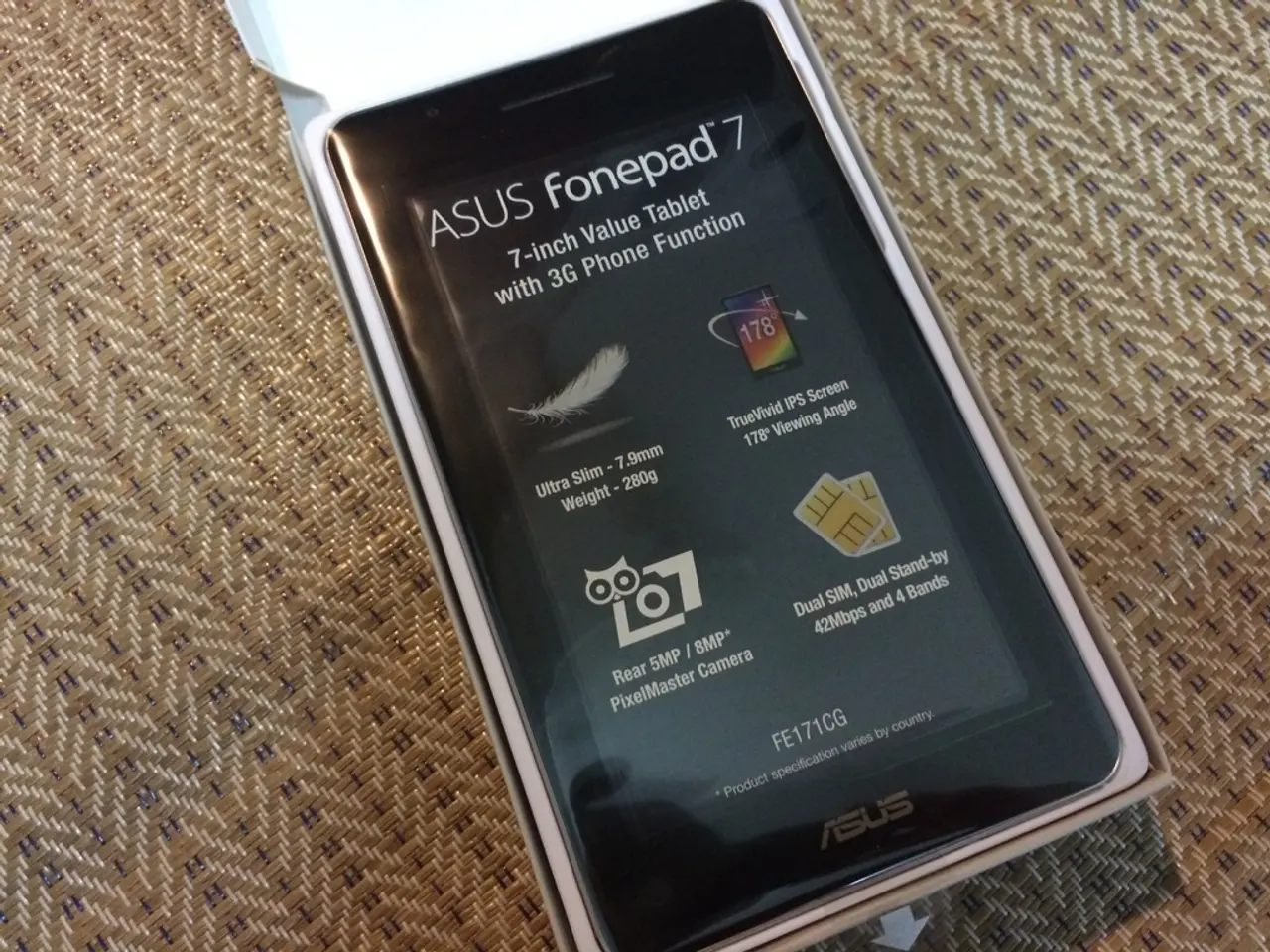
The rise of retrotech can be seen in the popularity of classic candy-bar phones, e-ink devices with no social media, and clamshell flip phones with week-long batteries. Some prefer to run personal blogs on rented servers and stash files in offline storage to escape the cloud's panoptic reach.
In summary, Gen Z in 2025 seeks a balanced tech relationship by limiting distractions, using AI purposefully, and actively managing mental health impacts. These behaviors reflect a deliberate cultural and technological shift to reclaim agency over their focus, clarity, and privacy in a hyper-connected world.
- The growing interest in less intrusive devices like flip phones, or 'dumbphones', is a part of the retrotech rebellion, which aims to use technology in a way that reduces notification fatigue and promotes intentional living.
- Gen Z strategically utilizes AI not only to speed up tasks but also to ensure a balance between technology and mental clarity, refusing to compromise their individuality or fall prey to digital overload.
- The demand for better mental health is driving Gen Z to seek technology that supports and enhances focus and emotional well-being, steering clear of long-term social media overuse and opting for digital detoxes instead.