
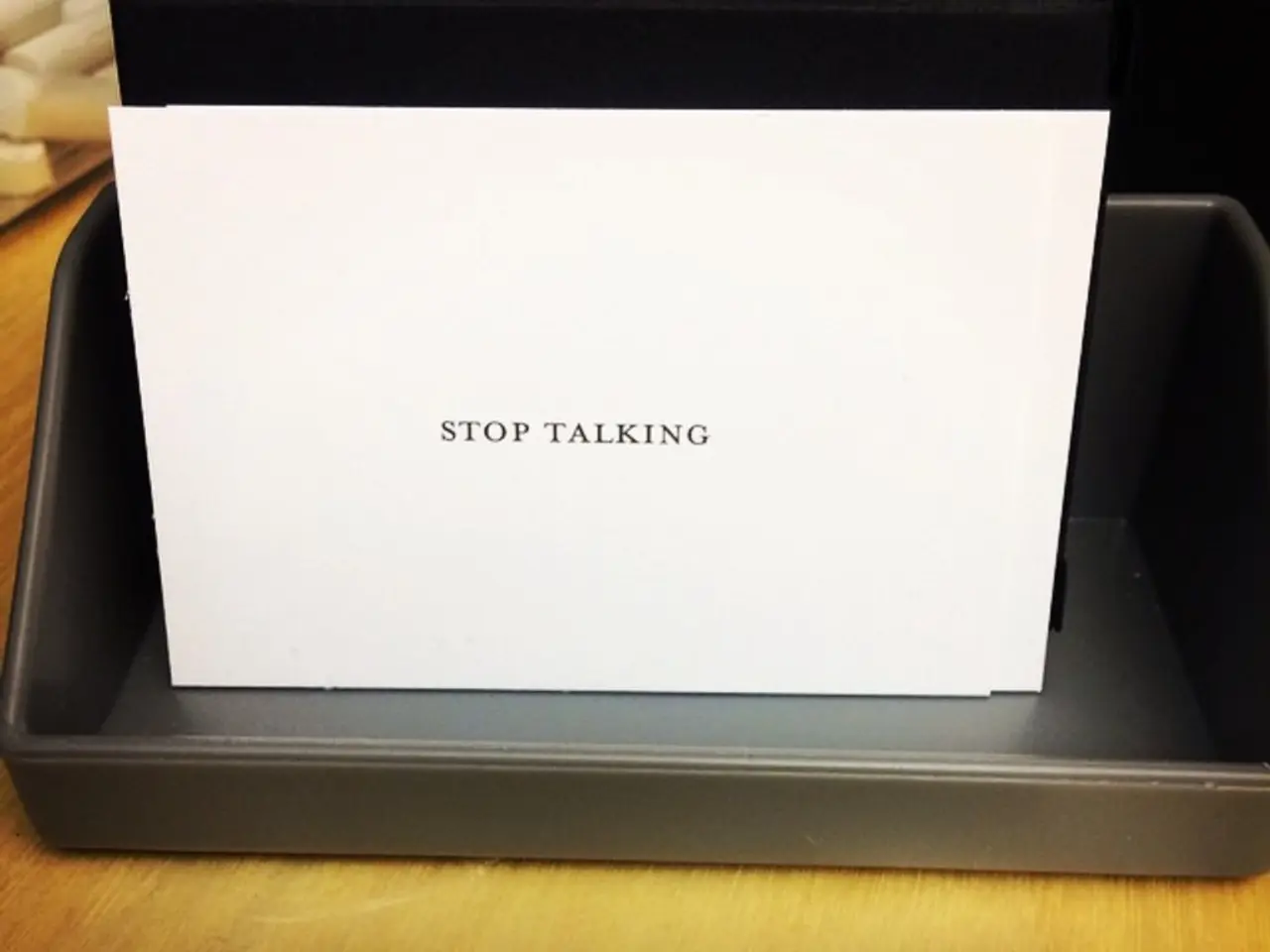
Digital Detachment as Elite Indulgence: The Latest Trend in Avoiding Online Presence
In the 21st century, luxury is redefined, and one of its most intriguing aspects is the absence of digital distractions. Being offline is no longer a mere choice; it's a deliberate act that signifies autonomy, security, and rare access to something increasingly scarce: peace.
In today's hyper-connected world, the significance of digital silence lies primarily in its ability to reduce stress, improve psychological well-being, and enhance cognitive and emotional functioning. Practicing digital detox or even vows of silence provides an intentional break from constant information overload and social comparison, common in pervasive digital environments.
Individuals experiencing stress, anxiety, loneliness, or sleep disturbances due to continuous digital engagement can significantly benefit from this practice. By disconnecting from the digital world, they can expect cognitive benefits such as improved attention, self-awareness, self-reflection, and reduction in feelings of despair and loneliness.
For instance, restricting social media use has been empirically shown to lower loneliness and depressive symptoms. Devices like smart rings can facilitate this by helping users track sleep without additional screen exposure. The practice is especially helpful for those seeking to rebalance their relationship with technology and regain control over their mental health in a world that fosters constant connectivity and social stimuli.
Digital silence serves as a remedy against the negative psychological effects of hyper-connectivity, offering emotional, cognitive, and physical health benefits. The wider societal implications include addressing loneliness and mental health crises recognized by institutions like the World Health Organization amid increasing social isolation despite technological connection.
Not posting every meal, leaving messages unread, and having no Wi-Fi for days is aspirational for some. For most people, being online is a necessity due to work, school, social life, or survival. However, the relentless connectivity is considered the ultimate status symbol to be unavailable, unreachable, and unplugged. A life that does not depend on digital validation is suggested by the freedom to disconnect, and the unspoken message is that if one does not need to be constantly available, they have already won a piece of the modern luxury puzzle.
In the new hierarchy of digital culture, silence has become the most expensive sound. The shift towards digital quiet is particularly visible among those who can afford to step back, such as celebrities, tech leaders, and ultra-wealthy travelers. The status of silence emphasizes seclusion and discretion, as seen in exclusive experiences like private islands, boutique hideaways, and invitation-only clubs.
Silence is being monetized in the tech world, with features like Apple's Focus Mode, apps like Freedom or One Sec, and wellness-oriented phones catering to those willing to pay to be left alone. Even curated retreats that promise silence, not just rest, but prestige, are becoming increasingly popular.
As society grapples with screen fatigue and algorithmic overstimulation, the appeal of being invisible will grow. Constant availability is often expected and enforced by employers, peers, or family. Intentional silence is a luxury of time, money, and power, and digital silence is being embraced as a way for individuals to reclaim their time and presence in a hyper-connected world.
- In the realm of modern luxury, disconnecting from digital devices is not only a choice but a deliberate act, signifying a pursuit of peace, mental health, and autonomy in a hyper-connected society.
- By embracing digital silence, individuals can anticipate cognitive benefits such as improved attention, self-awareness, and reduced feelings of despair and loneliness, offering a remedy against the negative psychological effects of constant connectivity.
- As society becomes increasingly reliant on technology, the allure of intentional digital disconnection has grown, becoming a luxury for those seeking to reclaim their time, presence, and peace in a world overwhelmed by screen fatigue and algorithmic overstimulation.




