
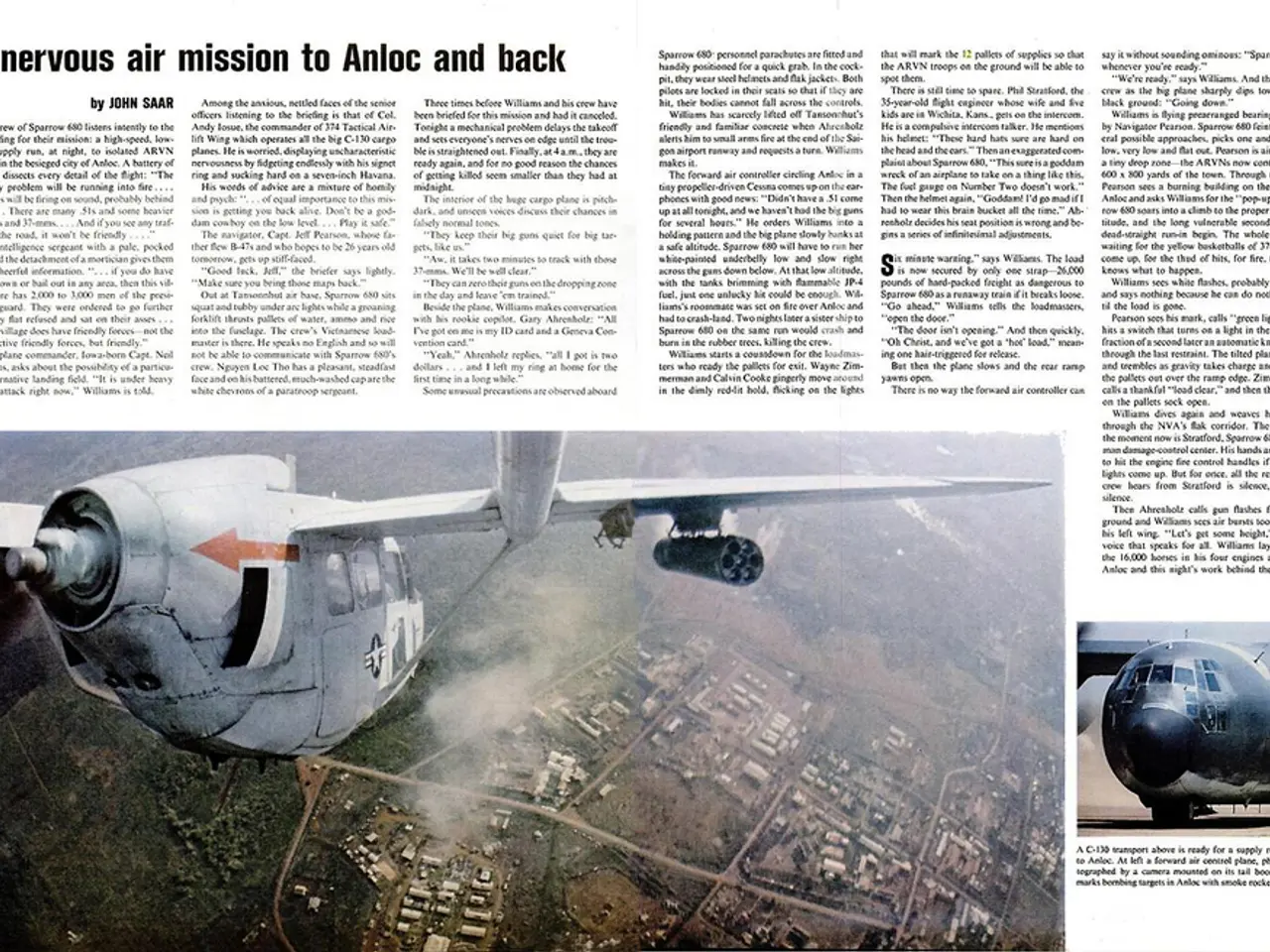
Capturing Stunning Shots of Aircraft in Flight
Aviation photography, capturing the beauty and power of aircraft in motion, has become a popular and respected form of photography. With over 20 years of experience, Australian photographer Andrew Thomas is one of the leading figures in the field, having been featured in numerous aviation magazines and books.
In this comprehensive guide, we will explore essential tips for capturing outstanding aviation photographs, focusing on lighting, angles, equipment, and understanding aircraft movements.
### Lighting
The time of day plays a significant role in aviation photography. Golden hours, the short period shortly after sunrise and before sunset, offer soft, warm light that enhances aircraft details and skies. Overcast skies can provide even, diffused lighting, reducing harsh shadows and highlights.
The direction of the light is also crucial. Side lighting accentuates textures and shapes, while backlighting can create dramatic silhouettes. Avoid shooting directly into the sun unless aiming for a silhouette effect. Reflections can be utilised by using the aircraft itself as a reflector to capture indirect sunset colours, adding vibrancy to your shots.
### Angles and Composition
Experimenting with different perspectives is key to showcasing the aircraft’s lines and features. Seek clean, uncluttered backgrounds that don’t distract from the subject. Use the sky, open fields, or distinctive landmarks to add context. The rule of thirds, placing the aircraft near grid-line intersections, creates balanced compositions. Leading lines and symmetry, such as runway markings, taxiways, or landscape features, can lead the viewer’s eye toward the aircraft.
Anticipating movement is essential. Understanding flight paths and schedules helps position you for the best angle as the aircraft approaches.
### Equipment
A DSLR or mirrorless camera with fast autofocus and high burst rates is ideal for capturing sharp images of moving aircraft. Cameras with high megapixel counts allow for significant cropping without loss of quality, useful for distant or fast subjects. Telephoto lenses (70–400mm range) are essential for most aviation scenarios, allowing you to fill the frame with distant or fast-moving aircraft. A fast aperture (f/2.8–f/4) helps achieve faster shutter speeds and better background separation.
Optical or in-body image stabilization minimises blur from camera shake, especially at long focal lengths. Drones with high-resolution cameras and manual exposure controls are valuable for unique aerial perspectives. Always comply with local regulations and safety guidelines. A sturdy tripod or monopod, circular polarizers, and a remote shutter release can also enhance your aviation photography.
### Understanding Aircraft Movements
Fast jets require high shutter speeds (1/2000s or faster) to freeze motion, while slower props or helicopters may allow slightly slower shutter speeds (1/500s–1/1000s) for prop blur. Use continuous autofocus (AI Servo, AF-C) to track moving aircraft, especially during fly-bys or fast passes. Anticipate takeoffs, landings, and aerobatic maneuvers. Familiarise yourself with the aircraft’s flight path and typical behaviours to be ready for the decisive moment. Practice panning techniques for dynamic shots that convey speed, using slower shutter speeds while tracking the aircraft.
### Additional Pro Tips
Scouting locations in advance using maps or apps can help identify the best vantage points and anticipate lighting conditions. Shoot in RAW for greater flexibility in post-processing, especially for challenging lighting conditions and colour correction. Develop a consistent workflow for editing, focusing on exposure, contrast, and sharpness to bring out the best in your aviation images. Always adhere to local aviation and photography regulations, especially when using drones or accessing restricted areas.
By combining technical preparation with creative vision and a deep understanding of aircraft dynamics, you can consistently capture striking aviation photographs that stand out. Whether you’re a seasoned professional or just starting out, these tips will help you capture breathtaking and awe-inspiring photographs.
Technology is essential when it comes to aviation photography. A DSLR or mirrorless camera with fast autofocus and high burst rates, telephoto lenses, drones with high-resolution cameras, and optics like circular polarizers are gadgets that can help capture sharp, dynamic images of aircraft in motion. These tools, combined with a deep understanding of aircraft movements, can help photographers create breathtaking and awe-inspiring aviation photographs.




