
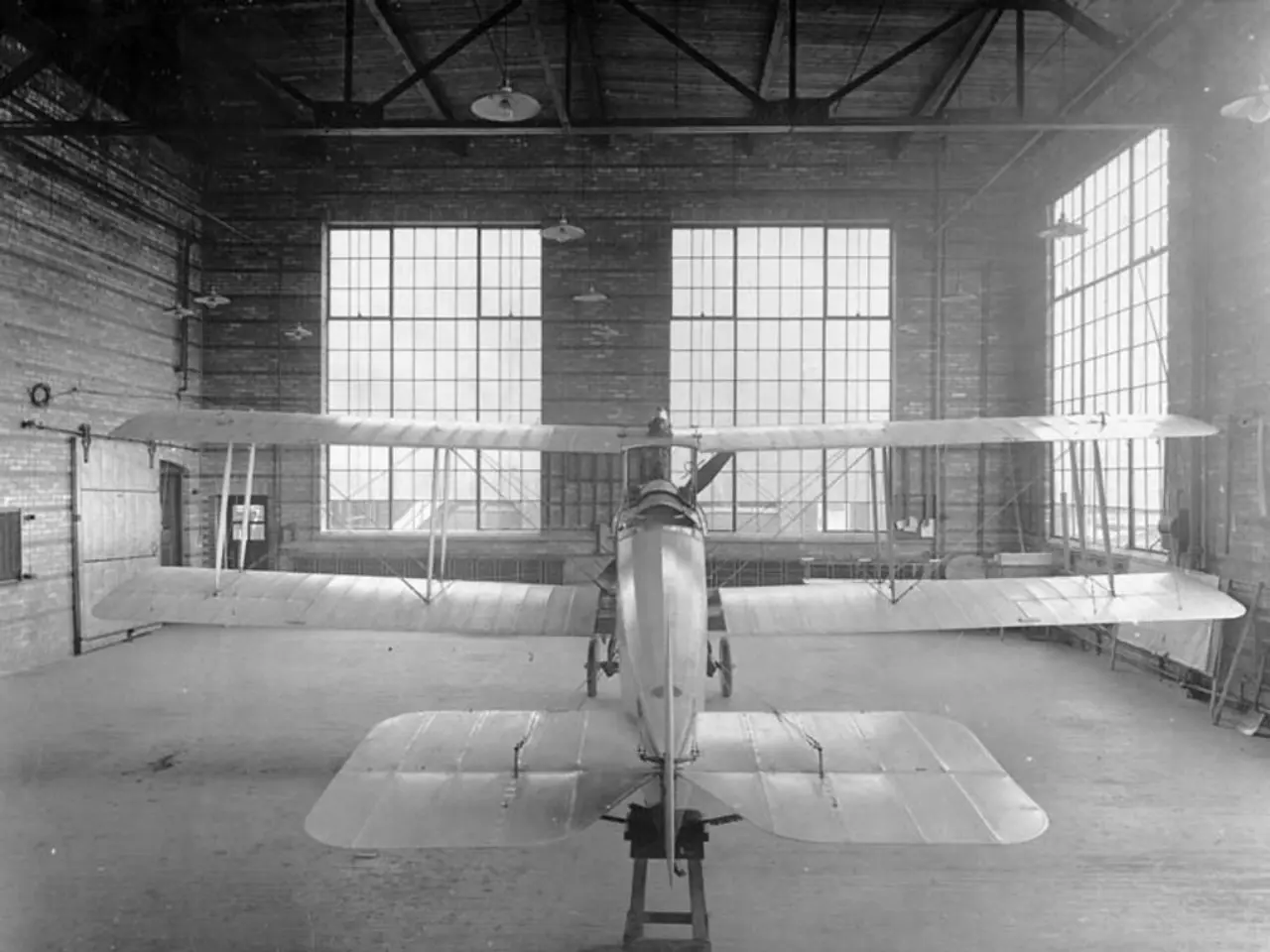
Aircraft Body and Components Detail
In the world of aviation, innovation continues to soar, and one of the most significant advancements in recent years has been the use of carbon composite materials in aircraft construction. The Boeing 787 Dreamliner, first introduced in 2011, serves as a prime example of this technological leap.
The advantages of carbon composites, such as carbon fiber reinforced polymers (CFRP), are manifold. For starters, they boast an impressive strength-to-weight ratio. Being much lighter than traditional aluminium while maintaining comparable or superior strength, these materials result in substantial weight savings. This translates into improved fuel efficiency, reduced emissions, and a lower carbon footprint, all critical factors for commercial aviation.
Moreover, composite materials endure repeated stress cycles better than metals and are inherently resistant to corrosion. This longevity lowers long-term maintenance and enhances structural durability. The flexibility to engineer and mold these materials into complex shapes also supports innovative aircraft design and aerodynamic improvements.
However, these benefits come with trade-offs. The higher manufacturing cost associated with carbon composites is one such drawback. The raw materials and sophisticated manufacturing techniques involved are more expensive than traditional metals, increasing the initial production costs.
Another challenge lies in damage detection and repair. Damage to composites can be difficult to detect, requiring specialized equipment and skills. This complexity adds to the maintenance burden and could potentially compromise safety if not addressed adequately.
Critics initially worried about the crash behaviour of composite materials, fearing they might shatter rather than deform on impact, potentially transferring more force to occupants. Although testing has alleviated some concerns, this remains a key safety consideration that required special FAA certification requirements.
Furthermore, the extensive use of electrical systems powered by lithium-ion batteries in the 787 Dreamliner revealed new risks such as thermal runaway and fire hazards, necessitating redesigns and mitigation strategies.
In essence, carbon composites enable lighter, stronger, and more corrosion-resistant fuselages, improving the operational efficiency of aircraft like the Boeing 787. However, these benefits come with trade-offs in terms of manufacturing expense, inspection complexity, and new safety challenges that must be carefully managed through design and regulation.
As we look to the future, the potential for carbon composites in aviation is vast. From reducing fuel consumption and emissions to enhancing structural integrity and safety, these materials are set to revolutionise the industry. Yet, it is crucial to address the challenges associated with their use to ensure a smooth and safe transition towards a more sustainable and efficient aviation future.
Carbon composites, such as carbon fiber reinforced polymers (CFRP), contribute to improved fuel efficiency and reduced emissions in aircraft like the Boeing 787 Dreamliner by offering a strength-to-weight ratio that is better than traditional aluminum, resulting in significant weight savings. However, the higher manufacturing cost and complexities in damage detection and repair associated with carbon composites are trade-offs that need to be carefully managed as we look to the future, ensuring a smooth and safe transition towards a more sustainable and efficient aviation industry.